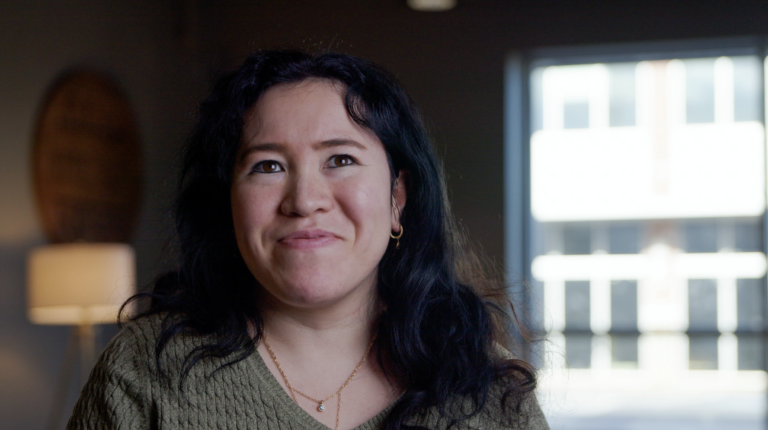
Laila Rezai Story


Laila Rezai Story

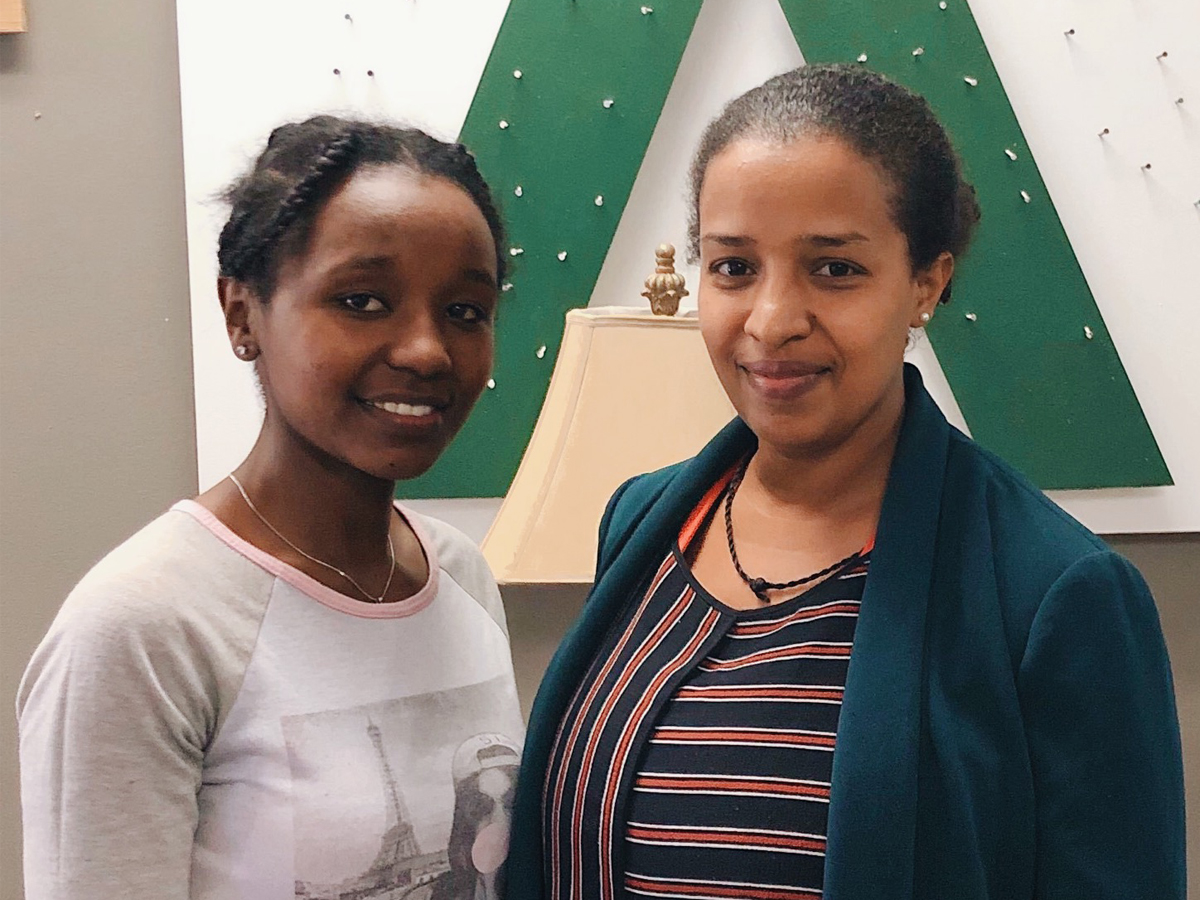
Each and every day, Laila Rezai makes a difference in her community. She’s a single mother, an Afghan refugee, and one of the newest members of Amplio Recruiting’s core refugee recruiting team. We’re privileged to have her on our team, and we can’t wait to share a bit of her story with you.

A Background on Refugee Hiring

Refugees are forced out of their home countries due to violence, war, and persecution. They often arrive in the U.S. with nearly nothing and quickly learn how expensive life is in the U.S. Most refugees are highly motivated when it comes to finding a job but don’t have the resources they need to succeed.

As part of our refugee recruiting team, Laila Rezai helps fill the gap by connecting refugees with job opportunities at companies committed to hiring immigrants. “I know they have faced too many challenges, so I love to help however I can,” Laila shared in a recent interview.

Laila knows the challenges refugees face because she came to the U.S. as a refugee just a few years ago. Before she joined our refugee recruiting team, Laila was one of our contractors. She went through the process of getting recruited for a role through Amplio, and now she’s helping dozens of other refugees do the same.

From Refugee Contractor to Refugee Recruiter 

In 2017, Laila came to the U.S. from Afghanistan alone. “Adapting to life in the United States and finding a job was not easy. But I knew that I was by myself and I had bills to pay, so I accepted any job that came my way,” Laila said, reflecting on her early days. 

“It was really difficult when I was all alone, and I’d first come to the U.S. I had to be strong. I didn’t give up,” Laila told us. 

Laila worked as a receptionist at a hotel for about a year when she first moved to the U.S. While working at the hotel, she got pregnant. She left her job to care for her new baby.

After her baby was born and she was ready to find new work, Laila reached out to us. She’d heard about Amplio Recruiting from her roommate and hoped we could find her a job to support herself and her new baby. 

Working with Laila was always a delight for our team—she radiates joy and always has a contagious smile. She genuinely desires to help people, and she is an incredibly hard worker. We connected her with one of our partners, Sugarbowl Bakery, where she began working in a production role. It wasn’t her dream job, but it paid the bills, and she got to work at a company dedicated to hiring refugees. Laila eventually switched to a new role at Sugarbowl Bakery as a receptionist, but only a few months later, we offered her a new job. 

We were looking for a new Refugee Recruiter, and we knew Laila would be the perfect fit. Laila agreed and accepted our offer. “I’m really thankful for everybody I get to work with at Amplio. I’m thankful for the opportunity to help people, and I’m really proud of myself,” Laila said.

A Future in the U.S.

After five years, Laila is very happy in the U.S. She is surrounded by a diverse community of people from around the world. “Race, nationality, they don’t matter to me. Even my baby and fiance have different nationalities than me,” Laila shared. She says that most of her friends are immigrants, many of whom are from Spanish-speaking countries. Since coming to the U.S., she has learned Spanish, her sixth language. 
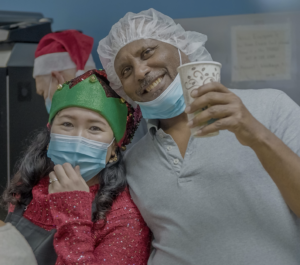
The future is bright for Laila. She recently got engaged, is exploring buying a home, and is close to becoming a U.S. citizen. She also has hopes for her career. “I hope I can be a part of Amplio Recruiting for a long time,” Laila told us. “I am really thankful to everyone at Amplio for everything they’ve given me. I’m thankful they gave me the opportunity to work with them. I will keep working hard because I want to be really helpful.”

An Invitation to Hire Refugees

An increasing number of U.S. businesses are intentionally tapping into the refugee workforce, which is full of talented, motivated, and reliable professionals. Is your business next? Connect with Amplio’s team today to learn more.
Dependable Profiles: Mandah Chimgeew

Mandah Chimgeew’s English is strong, and her words, thoughtful, as she articulates her family’s long and pain-filled journey.

She, her husband, and five children are newcomers to the United States. For them, relief came after over a decade of attempts to flee the unimaginable horrors that we, born on American soil, struggle to comprehend.

Mandah was born and raised in a largely Buddhist country, in East Asia*. She enjoyed a stable childhood, worked hard at school and graduated. She then went on to attend a private university, studying to become a French teacher.

“It was during studying my second year that I met my husband,” Mandah recalls, “We got married when I was just 19 years old!”

But their love was met with great disapproval from the bride’s family, due to cultural and religious differences, so she followed her new husband back to his home country of Pakistan.

Mandah was soon to discover the realities of living in the Middle East. Pakistan, in particular, has long been home to extreme violence, fueled by an unstable political system, sexism, and religious intolerance.

She shares, somberly about this season of their life—

“The first one to two years were smooth, then as time went on we were horrified. We had four kids there, and during that time we faced so many terrible things. There were bombs. Bodies. You could not be sure if someone was going to come kill you.

One time there were seven places bombed [at once]. There was a car, and they just blew it up. [It’s a] feeling you cannot explain, you know. It feels like hell.”

A new convert to Islam, Mandah remembers going to the mosque to pray. “I was scared of what could happen to [us]. I made myself strong. I’m not there [anymore], but sometimes I think about how horrible that was. Just horrible. “

One incident, in particular, left more than just emotional scars—it left physical ones, too. “Robbers came,” Mandah shares, softly. “I had gold jewelry bangles on my hand… they just cut it. You cannot imagine that kind of pain,” she says, finishing with a long silent pause.

“Every day we would send our kids to school, and we would pray they would come back safe. [Finally] my husband said, ‘We have to go. I cannot accept if something [else] were to happen to my wife and kids.’”


Fearing for their lives, the family packed up their belongings and headed for Mandah’s home country, back in East Asia. But the violence they left behind was soon replaced by family drama.

Mandah’s husband pursued proper documentation to live and work legally within the country, but it was to no avail. Come to find out, Mandah’s very own mother and sisters were bribing government officials to deny his requests.

Mandah remembers going to immigration shortly after the birth of her fifth child, “I asked, ‘Why no permission?’ After eleven months, I [figured out] my family was the one stopping [his approval]. In [my home country] there is too much corruption. If you have a government friend, you can do anything.”

Her family’s intolerance for their interracial marriage and differing faith grew. When threats and bribes turned to beatings, the couple was forced to flee, once more.

Unwilling to return to either’s home countries, the family applied for refuge in Bejing. Just when they thought things couldn’t be any more difficult, life threw another, unexpected punch. The country approved her husband and children, but declined Mandah refugee status, giving her only ten days to leave the country.

Forced to separate, Mandah took their 8-month old and returned home to East Asia, leaving her husband and four other kids behind.

“They were crying and begging. I didn’t want to leave the kids like that, but I couldn’t do anything,” she remembers, painfully, “We were just trying our best to save our kids’ lives.”

The determined couple pressed on, applying for refuge—for their entire family—in the United States. So began their long wait to reunite.

Five years they lived separate, waiting, hoping, filling out documents, and praying.

Finally, last November they got the news: they were all approved. The family reunited, at last, in December 2016, and began the long-road to rebuild their life, together, in Clarkston, Georgia.

Mandah does not deny the challenges of being in a new, and unfamiliar country, but makes it clear that they pale in comparison to the hardships they left behind.

“Thank god everything is in the past,” Mandah sighs heavily, “We are struggling—still struggling for our kids’ future. We have to work hard… sacrifice for our family, for our kids’ future. But we are finally in a country where we have human rights, and freedom. Finally our kids are in a safe place.”

In need of a job to help support her family, a refugee agency connected Mandah to Amplio’s Atlanta office. There, the team worked to find her a job in spite the many challenges facing her.

“Transportation in Atlanta is very hard. Since I didn’t have a car, I didn’t think I could find a job. My husband works night shift, and there always has to be someone at home with the kids.”

Against all odds, Amplio found Mandah a potential opportunity with Orchard Senior Living, an assisted living facility less than 2 ½ miles from her home.  The job was a perfect fit for Mandah. She interviewed, and was chosen for a kitchen server position.


Now, after nearly four months with Orchard, Mandah lights up talking about her job. “They are nice people. It is a nice job… They always encourage me. Elderly people are so lovely. I have many friends now,” she laughs, “They are old, but they love me a lot!”

The job has helped her family attain something they’ve never had before: stability. With just her husband working, the family had struggled to pay rent and put food on the table. “Now I am working, and we are [doing much] better,” Mandah says.

In between her job and raising five children, now ages 7-16, Mandah has also been working towards her GED, which she plans to complete in the next couple weeks.

There is an ever-present sense of relief, hope, and gratitude as Mandah shares the highs and lows of the past two decades. She is strong and, yes, brave—but the scars of rejection, persecution and violence have not hardened her heart toward mankind.

“Finally god has given me rest,” she says, “In America everyone has a good heart. Some [are misconceived or misunderstand]. Many don’t realize what refugees have been through, what we have faced. We have been through many things nobody can imagine. You cannot blame anyone. Some people feel we are a burden, but… we are fighters.”


Mandah, is among dozens who walk through Ampio’s doors every week, eager for good employment so that they can rebuild their lives and give back to the country who has given them an invaluable gift: freedom.

At Amplio, we love connecting companies with the legal and motivated refugee workforce. We make the hiring process easy—completing e-verification, drug testing, insurance and payroll, so you can reap the benefits of efficiency and reduced turnover.

With locations in Atlanta, Austin, Dallas, Raleigh, and even London, we are standing by to be your labor shortage solution. Contact us today or visit our website at www.ampliorecruiting.com to learn more.


*Mandah wished to keep the identity of her home country anonymous for this post

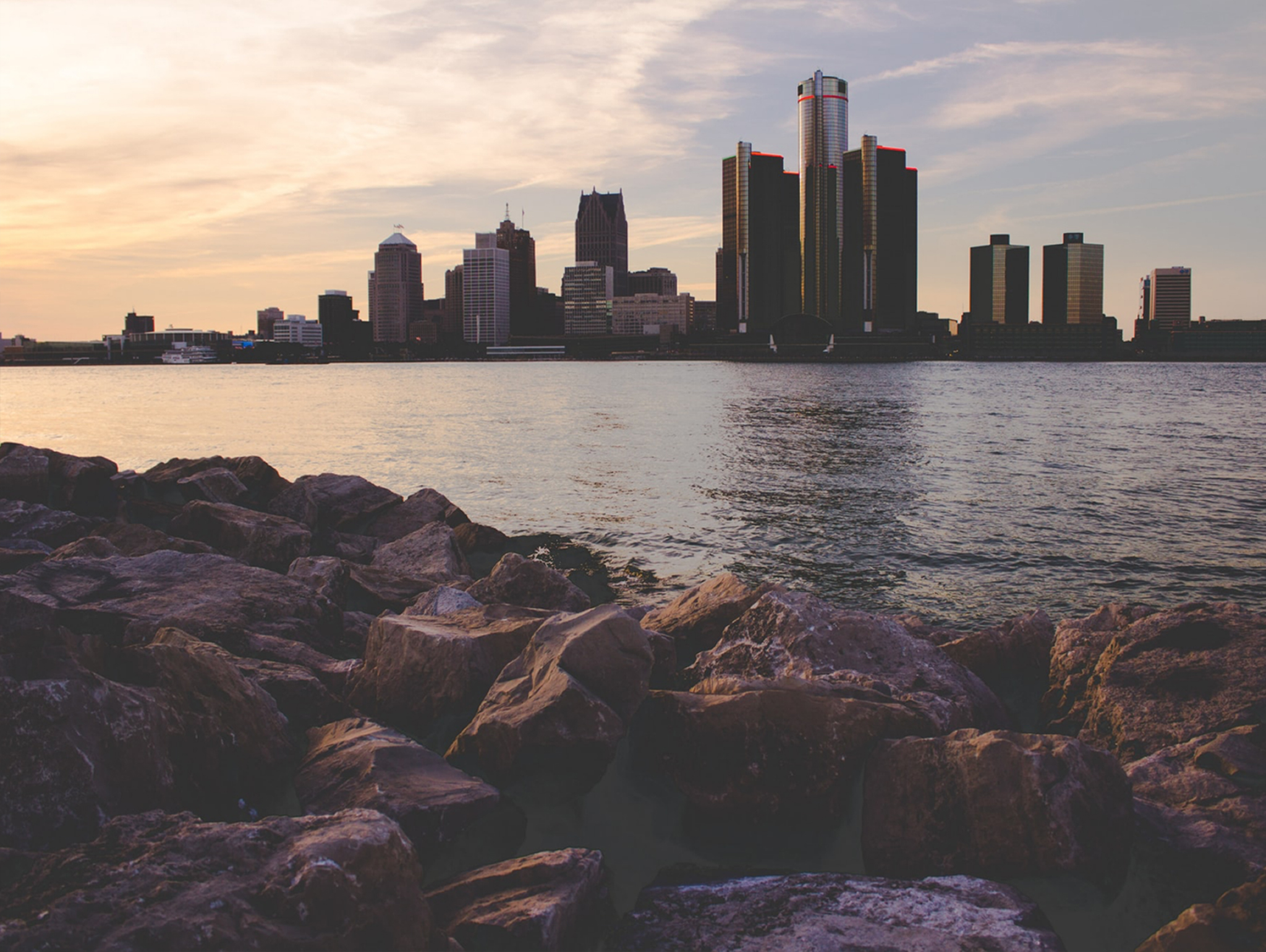
Featured Location: Detroit, MI

While other American cities have more recently developed in their diversity, Metro Detroit has long been a popular destination for immigrants longing to achieve the American dream.

Detroit’s lesser-known, neighboring city of Hamtramck has emerged as Michigan’s top immigration destination. Known as “the world in two square miles,” a staggering 44% of the city’s residents identified as immigrants in the 2010 U.S. census. Hamtramck is somewhat of a “holy grail” for these ambitious individuals, offering just the right concoction of affordable housing, accessibility, and plentiful blue-collar work. Councilman Aman Miah explains, “Hamtramck is probably one of the most desirable places to start as a family the way our community is set up, with the businesses a family needs. You can literally walk to anywhere, and don’t have to rely on public transportation or having a car.”

Formerly recognized for as a prominent Polish-American community, Hamtramck now resettles individuals from an array of continents and countries including Iraq, Syria, Bangladesh, and the Republic of Congo, to name a few. Despite much of the nation’s rising concerns toward public safety as it relates to immigration, the peaceful community of Hamtramck has continued to welcome refugees and immigrants with open arms. Mayor Karen Majewski explains their outlook, saying, “We’ve long been a home to immigrants. That’s kind of how we were born.”

Detroit, which suffered a 15-year decline beginning in 1990, has since been on the mend. Many locals attribute this healing to the increase in refugee resettlement during the Bush and Obama Administrations. A 2017 study by the New American Economy gives us insight to the benefits of refugee resettlement. It revealed “while refugees receive initial assistance upon arriving in the United States, they see a particularly sharp income increases in subsequent years.” Those increases create dramatic return on investment for their communities. “The true economic benefits of refugee resettlement are felt each year and increase over time as refugee workers, refugee spending and refugee businesses become more integrated and more impactful in the economy,” Former state representative Steve Tobocman explains. In 2016 alone, refugees “buoyed” Detroit’s economy with their estimated $230+ contributions.

The refugee community’s verifiably higher rate of entrepreneurship is also a contributing factor. Steve Tobocman, now head of Global Detroit, attests to this phenomenon. He shares that the community’s refugees “have been a really strong contributor to creating jobs, revitalizing the community, [and] creating more housing.”

While refugee entrepreneurs are revitalizing Detroit and its surrounding cities, refugee employees are making a separate but equal impact within local companies by filling crucial labor shortages. Refugees, who are not only legal-to-work almost immediately after their arrival in the U.S., have also proven to be largely more motivated and less-apt to substance abuse than their American counterparts. So where does all this motivation come from? After being forced to start life over again, refugees are driven by their desire to rebuild. 

“Immigrants are peaceful and eager to make a living,” shares Amplio Detroit Managing Director, Ken Bresser. “The need for good workers [in Detroit] is so high that we could have thousands of immigrants come and everyone could get a job.” Ken and Business Development Director, John Kirby are working hard to connect the two. As Detroit’s first refugee staffing agency, Amplio Recruiting is bringing reliability to the community’s warehouse, manufacturing, hospitality, and construction industries.

With the future of America’s refugee resettlement program unclear, Detroit locals fear what a further decline in refugee resettlement could mean for their area. They, like other U.S. cities who have experienced more vibrant and communities thanks to refugees, understand how more resettlement— not less— can further fuel America’s burgeoning economy.

We believe the refugee workforce is the best-kept secret for the American economy. We’re passionate about connecting Detroit, Atlanta, Raleigh, Dallas-Fort Worth, Baltimore, and Houston companies to the dependable refugee workforce who can fill labor shortages and get unstuck.

To learn more about the refugee workforce, companies who have hired them, and what cities like Detroit are doing to better integrate, check out our best-selling book, Refugee Workforce.


Company Story: Construction Resources, Atlanta

Construction Resources is a one-stop resource with an unmatched line of products and industry expertise. They provide builders, designers, remodelers, general contractors, property managers, and homeowners with all major specialty building and design products, along with best-in-class installation and aftermarket services.

“The team over at Construction Resources is top-notch,” shares Amplio Atlanta Managing Director, Stephen Assink. “They care deeply about their people and want nothing but the best for their workers. It is truly a pleasure working with them.”

We asked Construction Resources Team Lead, Nestor Suarez, about their experience with the refugee workforce. Here’s what he had to say:


Why did you reach out to Amplio for help with your staffing needs?

“It’s always hard to find people who are going to stick with it for the long run. We heard about Amplio and thought it would be worth a shot. Since then, we’ve had great hires across the board from Amplio— hard workers every time.”


What challenges have you had to overcome?

“Communication had to be improved on our side from the beginning. Simple things such as how to read a tape measure, and convert from metric to standard are now part of our onboarding process. But every one of the guys we’ve hired from Amplio has picked it up quickly, and have been eager to learn.”


You most recently hired on Abakar as a permanent employee. Tell me about him.

“Abakar has been a hard worker from day one, and always has a good attitude. We’ve moved him around into other positions to keep him busy, and he picks up everything quickly, while staying positive. He is respectful, saying ‘Yes, of course’ and ‘Whatever you need, I’m here’ whenever we ask anything of him. We originally hired him temporarily, but couldn’t let him go, so we hired him permanently!”


What would you say to any company considering the Refugee Workforce?

“Hiring refugees is a great step for any company. Every person coming from Amplio has been skilled, hardworking, and a quick learner. Who wouldn’t want that?”


. . . . . . . .

If you’re one of many American companies looking for dependable employees, we can help. Currently, we provide staffing in Atlanta, Dallas-Fort Worth, Houston, Raleigh-Durham, and Detroit. Contact the office nearest you today for a quote.

ATL Dependable Profile: Abaynesh Tesema

“Life was really hard,” Abaynesh pauses, as she reflects on growing up in Ethiopia.

“My family didn’t have anything to live. No work.” By the time she was a teen, Abaynesh was the sole provider.

Still, they struggled. So when Abaynesh was given a shot at the American dream, she pursued the opportunity.

“There was a lottery. I was lucky,” she shares. Lucky because it was her name that was chosen, among thousands.

Abaynesh was just 22 years of age when she uprooted her life to move to the U.S. She traveled alone but, after arriving, moved in with several cousins who had previously immigrated to Atlanta.

“It was a big challenge, because I didn’t know anything about this country,” she says. But desire outweighed fear— “I wanted to come to America for the opportunity to make money and send some home to support my family.”

Abaynesh had been in the states three years, and was working at the local farmer’s market when she first heard about Amplio Recruiting. A friend shared that they were looking for applicants for housekeeping positions at Greyfield Inn, an exclusive resort on Georgia’s Cumberland Island.

The job would afford Abaynesh good pay, stability, and valuable experience— but would require her to move to the complete opposite end of the state. Away from family. Away from friends. Away from familiarity, again.

She pursued it anyway.

“I thought, I have to try it. I have to help my family.”

Abaynesh was hired and relocated to the sunny southern island. “It was hard, but at the same time, it was amazing,” she says. “I’ve gotten a lot of experience. Here, we work a lot of jobs.” Abaynesh has been quick to pick up on the responsibilities of her job as a housekeeper, and is enjoying the learning process.

“We [immigrants] have a lot of experience. We can do everything. Everybody has different talents that they can use if they are given the chance.”

At Amplio Recruiting, we stand by this belief, and recognize the dependability, talent, and resilience of the refugee workforce.

With over 7 million jobs currently unfilled in the U.S., we believe more immigration, not less, can help fill crucial labor shortages, and bolster long-term economic success. In fact, we wrote an entire book about it (available here).

If you’re one of thousands of business owners in need of dependable labor, we would love to connect. Visit our website to find the Amplio office nearest you and talk to a team member to see if our employees would be a good fit for your company.

Team Member Highlight: Ken Bresser

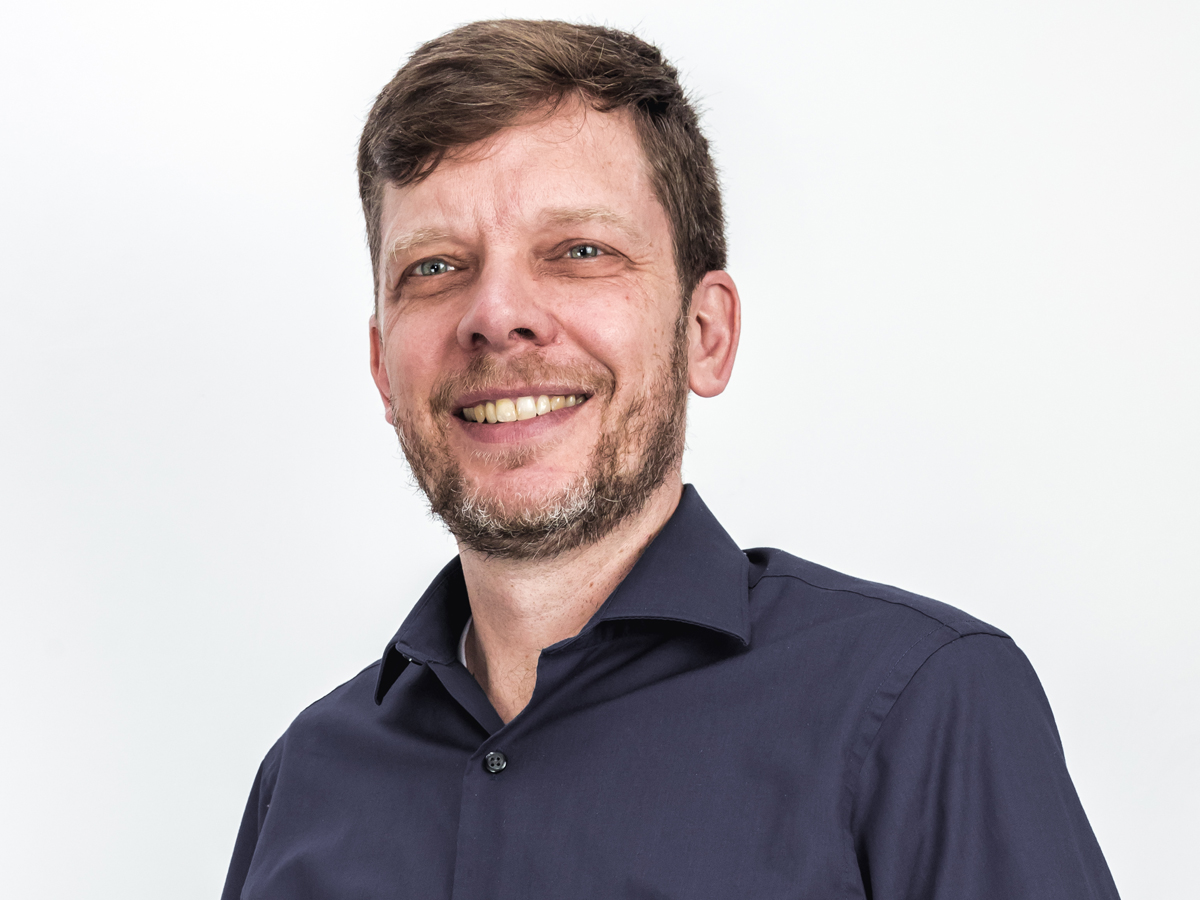
In 2015, Ken Bresser returned “home” to the United States, after spending nearly his entire adult life overseas in Russia as a missionary. He had a wife now, and three growing children— and a vision to continue cross-cultural ministry. That vision guided their decision to settle in the Metro Detroit community.

“When I was in Russia, I worked with orphans. A key verse in the Old Testament of the Bible in Deuteronomy says that God cares for the widow, the orphan, and the stranger. The immigrant community, those are the strangers among us. Working with immigrants seemed like a very natural extension of working with orphans.”

The suburb of Hamtramck is the most ethnically diverse city in Michigan. Nearly half its residents are foreign-born. Ken immediately began looking for ways to connect with the flourishing immigrant community, specifically through business as a mission.

“I aggressively pursued a real estate idea— a real estate company that would provide housing for immigrants,” says Ken. “In fall of 2018, we were pretty close to starting. But it seemed God was putting the brakes on that. I had spent a lot of time on the project, and it wasn’t working. God spoke clearly, ‘Not this business, not this time. Watch and see what I will do.’ There was this implicit promise that there was something else out there for me, but I had no idea what it was.”

Around that time Ken attended a conference with a friend, John Kirby. The two had met through their similar visions to serve the Detroit immigrant community.

“[At the conference,] we heard about the idea of doing staffing as an opportunity. We even met with a venture capitalist that had a list of franchises. John and I started thinking and praying—could this be the thing that we would do? While looking over the list, someone casually mentioned something about a company he had heard of in Georgia that was doing this… that one mention led us to Chris.”

Chris Chancey founded Amplio Recruiting, a refugee staffing company, in 2014 on the belief that there were an ample number of good jobs in America, and an ample number of dependable refugees to fill them. The company had grown, from one to four locations since then. After talking with Chris, Ken and John knew opening an Amplio Recruiting office in their hometown of Hamtramck was exactly what they wanted.

“When I had first started working in Hamtramck in 2016, I initiated a prayer meeting. I regularly prayed in those early days that God would provide someone in Hamtramck that could show people where all the good jobs were. When everything happened with Amplio, I realized I was the answer to my own prayer,” Ken shares.

In September 2019, the Detroit location was officially launched, but John and Ken had already been busy making connections in the months before.

“I grew up in the home of an entrepreneur,” Ken shares. “I watched my dad succeed and fail. There was something he always said, that resonates with me now: when you own your own company you only have to work a half day… you get to choose the twelve hours. He was right—you don’t dabble in business and make it.”

With hundreds of Detroit companies in need of dependable workers, Ken and John have their work cut out for them. Ken says he spends the majority of his time finding qualified candidates to fill the overwhelming number of local job openings

“I visit around to different mosques in the area,” he shares, adding that the response has been overwhelmingly positive. “I tell them what we’re doing and why, ask if they have any attendees looking for work, and ask if I can post a flyer.”

His favorite part, Ken says, is connecting with people. “I like the conversations I get to have with people—whether it’s at a mosque, or recruits coming in and telling their story. I like being able to meet companies’ needs and provide good employees.”

“This amazing opportunity to work with Amplio and start this important work here is a total gift from God. I’m super grateful,” he shares.

John and Ken aren’t just passionate about connecting Detroit companies to the dependable refugee workforce—they’re committed too.

“Ken has been such an amazing new asset to the Amplio family,” says company President, Luke Keller. “His tenacity and grit for serving the refugee community is equal to how he serves our clients. He has given so much of his life to serving his community, and we are so blessed to have him as part of our dynamic team.”

To those who may be skeptical of giving jobs away to immigrants, Ken says, “I am confident that he need for workers is so high that we could have thousands of immigrants come (to Detroit), and everyone could get a job. There are many, many more jobs out there than there are people who could fill them.”

If you are a Detroit company in need of dependable employees, John and Ken would love to connect. Visit our Detroit staffing page for more information to reach out to them via phone or email.

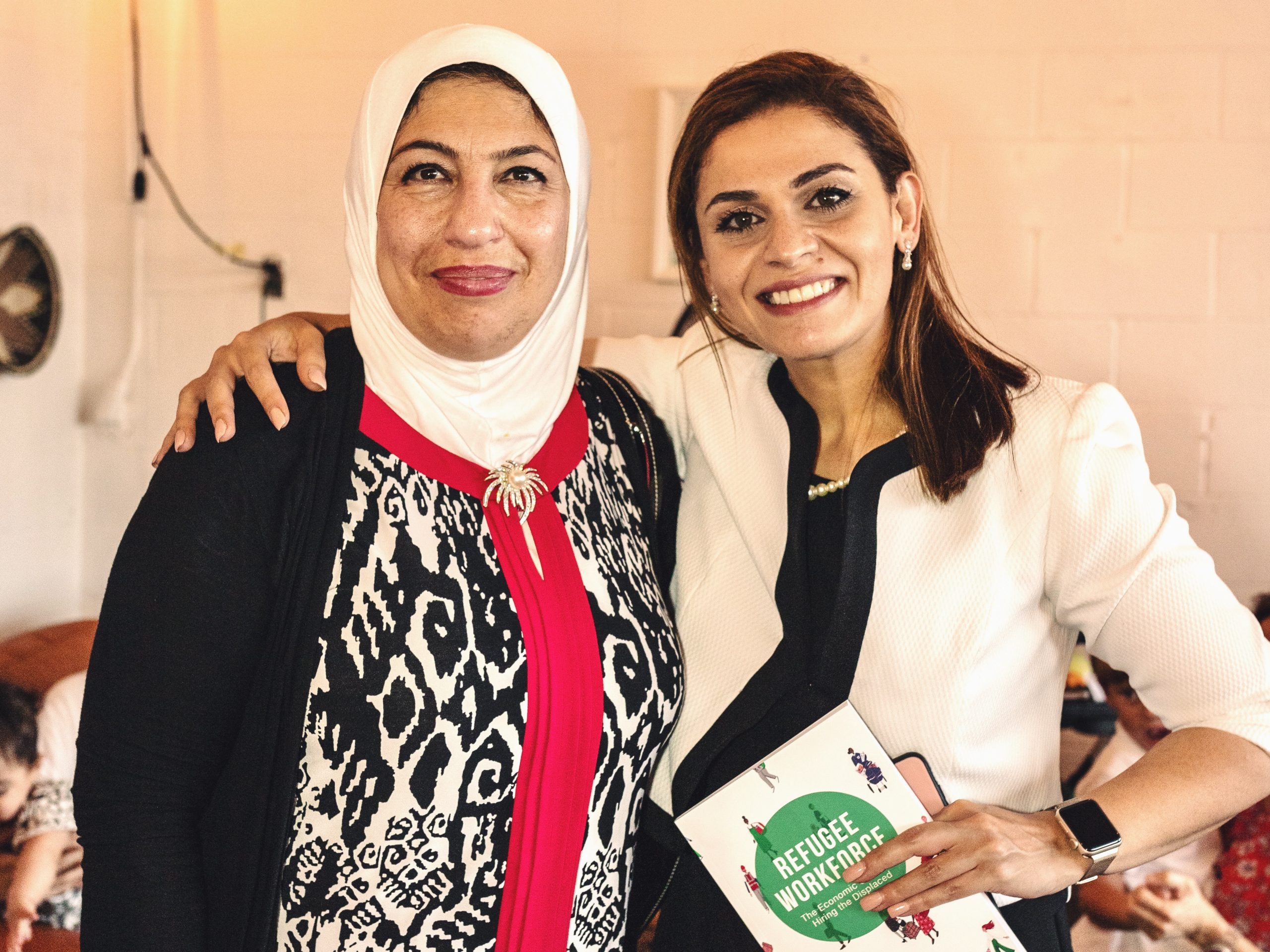
Labor shortages aren’t just a problem in Detroit, they’re a growing problem across the entire nation. At Amplio Recruiting, we believe the refugee workforce is a viable solution. Our book, “Refugee Workforce: the Case for Hiring the Displaced,” explains how refugees not only meet the three most basic needs of companies right now, but exceed them. Learn more at www.refugeeworkforce.com

HOU Dependable Profile: Kamengu Augustine

“My father went to war in 1996, and I never saw him again. My mom died during the war, too. My brother and sister and I became orphans.”

Kamengu Augustine’s story is not unlike many. The Democratic Republic of Congo is home to a staggering number of children left to survive on their own, their parents’ lives cut short by war or disease.

During the First Congo War, Kamengu and his siblings found themselves suddenly abandoned. They did what they could to scrape by and survive, but when the war ended, they longed for the familiarity of the village they grew up in.

Just as they thought they could return to the shreds of “normal” that remained, war began again. They had a decision to make: return home, putting their own lives at risk or start their lives over in a refugee camp.

The three traveled to Zambia, where they tried to move on with their lives as best as any refugee can. Kamengu started a small business, taught French, and even worked as an interpreter, alongside the U.N.

Kamengu’s brother fell in love with another orphan in the camp. The two celebrated their marriage with a makeshift ceremony, surrounded by new friends, and what was left of their family. Along with caring for a new wife came the added responsibility of caring for her brother, who was just 10-years-old. The three were a family now, and began settling into their new life together.

“We had a hard time because there was little food in the camp,” Kamengu explains. But there was an even bigger threat to their safety: disease. Kamengu’s brother succumbed to sickness. With limited access to healthcare, he declined rapidly and died. Kamengu and his sister were once again devastated.

Widowed, and without support, the new bride didn’t wait long to remarry. And when she did, the new couple decided to move on from life in the camp— leaving Kamengu with her 10-year-old brother.

Now, Kamengu, his sister and the young boy were all that was left of their once-growing family. Kamengu cared for the boy as though he were his own, working hard and meeting their needs as best he could in their situation.

Eventually, Kamengu fell in love and married a Congelese woman. The family began growing again, and it wasn’t long before they welcomed their first child.

One day without warning, Kamengu’s sister married and left, without saying goodbye. With nothing left of his old life, Kamengu was ready to move on.

He applied for asylum in the U.S. and in January of 2018, Kamengu, his wife, his brother-in-law, and two young children boarded an airplane and left behind the only life they ever knew.

Their destination was Houston, Texas, one of several U.S. cities with a thriving refugee community. Kamengu arrived full of hope— hope that his family would finally be safe; and hope that he could finally do more than just survive.

Catholic Charities, his assigned resettlement agency, referred Kamengu to a local staffing company specializing in refugee placement: Amplio Recruiting. At Amplio, he met Courtney Lauffenburger, who immediately recognized his intelligence, tenacity and skillset.

She placed him in a warehouse position at a local recycling company, called Technocycle. Their services include e-waste recycling, shredding, and data erasure. The company’s leadership is highly devoted to security, responsible environmental practices, as well as caring well for each of Technocycle’s 50+ employees. Courtney had became connected to Technocycle through her local church, and the company was excited to engage their city’s growing refugee community.

Kamengu took to the new position immediately, and quickly proved his dependability and capacity. The job allowed Kamengu to not only provide for his family, but also learn new skills, and better acclimate to his new community. Like many refugees, employment has given him the roots and security he needed to begin truly living again.

He hopes that his example will change the way many Americans look at refugees— from victims or terrorists, to grateful contributors.

“No one is a refugee on their own will,” Kamengu shares. “They have been forced to leave because of difficult circumstances. We are the most vulnerable people in the world. Some may see us as useless, or hopeless. But people should see us as human beings with capacity.”

Kamengu is right. Contrary to popular belief, refugees don’t harm the American economy— they help it. And with over 7.5 million open jobs in our country today and only 5.8 million individuals hypothetically “looking” to fill them, we need more motivated, dependable individuals like Kamengu than ever before.

At Amplio, we believe in the value of the refugee workforce so emphatically, we wrote a book about it. “Refugee Workforce: the Case for Hiring the Displaced” weaves real life stories, like Kamengu’s, with hard statistics to present a compelling case for hiring refugees in the American workplace.

Learn more and buy the book at www.refugeeworkforce.com

Why resettling 18K refugees in 2020 makes perfect sense

The Trump administration announced yesterday the refugee resettlement cap for 2020 would be set at 18,000. This number may sound like a lot unless you consider the annual average of 100,000 refugees resettled in the 80’s under Reagan and Bush OR the 1.4M refugees needing resettlement right now OR the labor shortage in the US of 7M people to fill currently open jobs.

Yes, the number is pathetic. But we live in a country that has yet to recognize the refugee’s ability to contribute to our economy. Refugees are still seen as a charity case, needing to live out their days on public assistance in the US because they can’t provide for themselves. When they are not categorized as a charity case, they are cast as a terrorist threat, needing close surveillance as they might pose a dangerous threat to national security.

In our experience of placing 5,000 refugees into full time jobs at over 300 American companies, these two categories do not accurately represent the refugee community resettling in the US. Not a charity case or a terrorist threat, refugees are a workforce – increasing retention, productivity and profits at local companies while paying taxes and reducing crime rates in their local communities. Over 70% of refugees resettling in the US are prime working age. 1 in 5 take a job in manufacturing, 1 in 7 in hospitality and 1 in 10 start their own business and employ others.

With over 7 million jobs unfilled in the US, even if we placed every unemployed American in a job tomorrow we’d still have a gap of 1.3M jobs to fill, but our nation and certainly our government has yet to connect the dots between refugee resettlement and economic growth.

So 18K people “draining public resources” is the cap of the moral obligation the current administration feels is appropriate. In facing an election year in which the current administration hopes to point to a decreasing national debt, $36M is as high as they are willing to set the refugee resettlement line item on the budget, which accounts for $2000 per refugee resettled for their first 90 days in the US. This makes perfect sense, unless you consider the refugee workforce generated $63B more than they cost the US government over the last decade. If the government has a P&L statement it would show a 175X return on their refugee resettlement investment.

If business owners around our country could vote on the refugee resettlement cap, they’d say we’re desperate for dependable, hard-working, drug free employees. In fact we hear that message every day from companies across the US and believe the refugee workforce is the best kept secret for the American economy. We believe in it so much, in fact, we wrote a book on it (available here).

With the cap now set at 18K for next year, it’s obvious the connection between refugees and our economy is still very much a secret.

Chris Chancey is the author of Refugee Workforce, a best selling new release on Amazon articulating the economic impact of refugees in America. Additionally he is Founder & CEO of Amplio Recruiting, a staffing agency placing refugees into jobs across the US. Chris launched Amplio in 2014 after moving into a refugee community outside of Atlanta, GA and now leads a team that has placed over 5000 refugees from 40 different countries into full time employment at over 300 US companies in manufacturing, construction and hospitality industries. Amplio has generated nearly $12M in revenue and operates in Atlanta, Dallas, Detroit, Houston & Raleigh-Durham. As a social entrepreneur, venture capitalist, and author, Chris believes in leveraging business to create greater stability for the 70M displaced people around the globe.

Dependable Profile: Mohammad Karimi


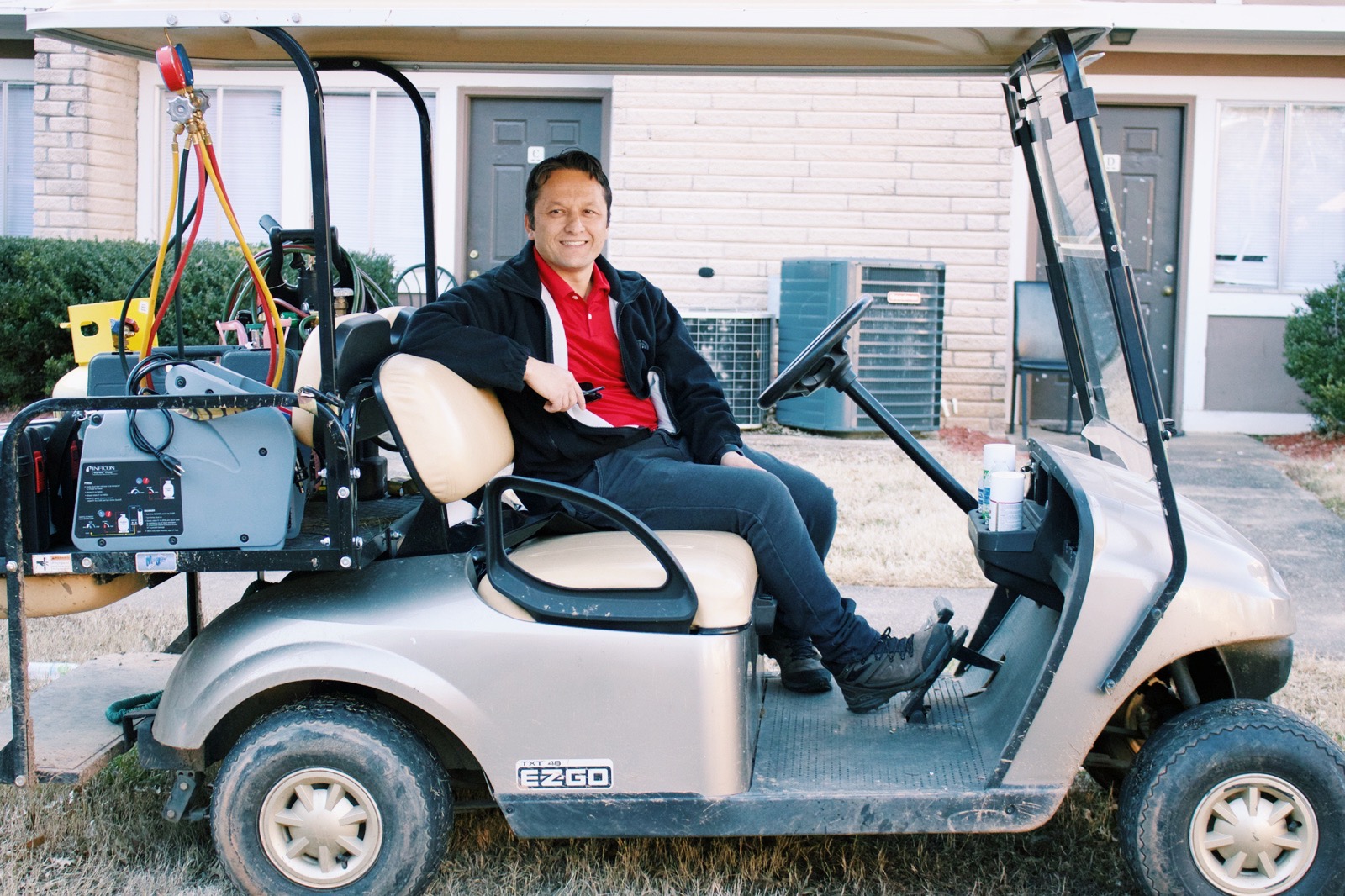
Mohammad is a refugee from Afghanistan who now works as a Maintenance Technician at R James Properties in Atlanta. We interviewed Mohammad to learn more about his story, and what he loves most about his job and his family’s new life in the U.S.


Mohammad, tell us about where you came here from. Where did you grow up? What was your life like?

“Growing up in Afghanistan was not easy. There was war. Growing up, my grandfather said Kabul was the city of flowers. But the time I remember in Kabul, it was the city of smoke and ashes.

My family lived in a small house with three bedrooms. I had four brothers and two sisters and we shared the same room. I am the oldest, so I had to look after them all of the time. I helped my father take care of the family. We worked together. He was a tailor. I helped him after school.

War in any country will affect everybody. Kids. Families. Government. It was hard. We heard bad news all the time about our relatives in war.”


What led to your decision to be involved with the U.S. military in Afghanistan?

“Once I graduated from school, I wanted to find a new job. I heard the U.S. military was looking for an HVAC technician. I (went through) six months of basic training on (HVAC) and started a job with the U.S. military in Kabul.”


Was that a hard decision knowing it might cause problems for you and your family?

“For sure it was. The bad people (in Afghanistan) didn’t like foreigners or Afghans who worked with them (U.S. military). But I knew it was going to help not only myself, but my family and my country.”


At what point did you decide to leave?

“After working for almost 10 years with the U.S. military, my life was threatened. I had heard a lot of news about the Taliban taking guys who worked as translators and killing them. I decided to move because maybe one day it could happen to my family. I got an SIV (special immigration visa) and left with my wife, two sons and two daughters.

It was so hard because I could only take my wife and kids with me. I had one brother who was here, but I still had many brothers and sisters I had to leave behind. I think about them and I worry about them. I am always looking for ways to get them here (safe) with me.”


Was coming to America what you expected?

“It’s difficult when you go to a new place. The culture is different. The language is different. You have to find a home for yourself, make new friends, and find a job.”


What was the process of finding a job like?

“Finding a job was not so hard because my brother introduced me to Amplio Recruiting. I went into the office and gave them my resume and completed a short interview and after two weeks they called me and told me that they had found me a job. I met with Chris and Luke and they were such nice people. Here, I do the same job as before — an HVAC technician— I take care of property. But here, there is peace. I am much happier.”


What would you say to people who may be concerned about refugees and immigrants entering our country—that they’re trying to cause harm?

“In every nation there are good people and bad people. Just because there are bad people within a country doesn’t mean the entire nation is bad. I am just a person who wants a better life, a better future for me and my family.”


Why should companies hire from the dependable refugee workforce?

“Most refugees who come to the United States are educated and already had a job back home. They are intelligent and work hard— the refugee workforce is strong.”


. . . . . . . .

Read more great stories in our brand new book, “Refugee Workforce: The Economic Case for Hiring the Displaced,” releasing September 10th!

Visit www.refugeeworkforce.com to learn more, and sign up for email updates.


The Benefits of Employment to Refugees

Why a Hand Up is Better than a Handout


While there is much substantiating evidence to be found on the value of refugees to companies, there has been far less research conducted on the benefits of employment for refugees.

Every day, resettled individuals from the Middle East, Southeast Asia, South America, and all over Africa step into our Amplio offices looking for work. We have the honor and the joy of placing these individuals into what is, often, their first job in the U.S.

This opportunity gives us a front-row seat to the transformative nature of work, within the context of the refugee experience, in particular. With that being said, in this blog, we’ll be sharing largely from observation and experience.


Roots + Security

The first, and perhaps most underrated benefit of employment to refugees is the ability to put down strong roots, and regain a sense of security.

One of our team members in our Atlanta office, Bethelhem, came here from Ethiopia. She told us, “I had a friend who gave [my husband and me] a bedroom to stay in when we came. But I felt insecure because I didn’t have a job. Nothing was consistent. I didn’t know what was going to come tomorrow. I thought, I have to find a job so I can start my life.”

In that candid statement, Betty put a voice to the unspoken cry of many refugees when they enter our office— they are weary not so much from the loss they’ve endured, but from the resulting  instability.

Resettlement, contrary to what one might think, is not an automatic end to this struggle. Rather, it is the beginning to that end. Now, there is the tedious job of rebuilding. Security is more than reliable income, or money in the bank— it is familiar, safe surroundings, friends you can count on, and a consistent place to lay down your head at the end of the day.

Before any refugee can rebuild their life, and begin to dream again, it is essential they put down roots. And establishing themselves in the American workplace is often one of the first.


Financial Health

The most obvious advantage of having a job (and probably the first benefit that popped into your mind when you read the title of this blog) is income.

Income serves as a vehicle to move refugees back to a state of self-sufficiency. Do not underestimate the power of independence. Without a job (or, even, a goodjob), any individual will remain in a perpetual state of relying on others for their needs. I’ve never met a refugee who wants to live like that.

Refugees need access to some public benefits when they arrive nearly empty-handed. The basic financial assistance refugees receive upon arrival is minimal, and the long term fiscal benefits far exceeds the short term costs. But while every refugee I’ve met is grateful for these services, what I’ve found is they desire opportunity more than anything.

It makes me think of the old saying, “If you give a man a fish, you feed him for a day. But if you teach a man to fish, you feed him for a lifetime.” Refugees aren’t looking for free fish. They are happy to earn them. And when they do, they are wise about leveraging those “fish” for a better life for themselves and their families.

Personal transportation is often a refugees’ first major investment. While they’ll do anything to get to work— walk, bike, carpool, and take public transportation— owning their own vehicle can be life-changing.

Another common investment is higher education. Many refugees, despite already having an education, head back to school in pursuit of skills that will help them attain higher-paying or, simply, more fulfilling employment. While grants are often available to help, some, if not all, of this expense comes out of their own pocket.

Many refugees are eager to leverage their funds to fulfill one of the great American dreams— homeownership. And many more use their hard-earned funds to fulfill the responsibility of helping family back in their home countries.


Acclimation

Every community has a culture, a way of life, and a certain set of social expectations that aren’t the same everywhere else.

I couldn’t reside with a tribe in South America and still use my credit cards.

I couldn’t move to England and continue to drive on the right side of the road.

And if I relocated to Afghanistan, I certainly couldn’t give a “thumbs up” anymore (learned this one by accident)!

To succeed in their new communities, refugees need to begin to get a feel for, and begin acclimating to, their surrounding culture. This happens by participation, not by hiding behind closed doors.

For many refugees, employment is a giant leap into the “pool” of American culture.


Skill Development

This is the catch-22 for many refugees: without marketable skills they cannot land a job, but without a job they have a harder time developing their skills.

We’ve already talked about how hungry refugees are to learn. Employment gives them the opportunity to act on that hunger, and begin accumulating skills.  The majority of skills learned at work are not only useful for the job at hand, but will also be attractive to future employers.


Healing

Refugees have often suffered many unfathomable terrors in their lifetime.

While they say, “Time heals all wounds,” it is more accurately what you do with that time that heals. Believe it or not, work is healthy. Meaningful activity plays a huge part in ongoing mental health and healing.

With this propensity toward mental illness, instigated by their experiences, it is even more imperative that refugees re-enter the workforce quickly.

The stability of a job reduces anxiety, and provides space for refugees to begin the process of recovery. It’s hard to focus on healing when you don’t know where your next meal is going to come from. As Bethelhem in our Atlanta office once shared, “A good job is peace of mind.”


Dignity

We started with the most obvious— security and income. Now we’ll end with one of the most overlooked, but highly meaningful aspects of having a job: dignity.

There is a clear connection between dignity and work. As Pope John Paul II put it, “man’s life is built up every day for work, from work it derives its specific dignity…” While every human being is innately worthy of love and respect, one’s ability to contribute to society (or not) can distort this truth.

As much as we long for vacations and joke about retiring, we need work, as an essential part of the human experience. Without work (paid or unpaid), individuals lose their sense of pride, and suffer from low self-esteem. Mandah Chimgeew, a refugee from East Asia, expressed, “As a refugee, I felt like people saw me as a beggar. Nobody saw me that way, but it was my mindset.”

Mandah was right. Nobody saw her as a beggar. But without a way to contribute, she saw herself that way.

Many refugees endure years of being unable to work (because of living in host countries), and relying on others to meet their needs, resulting in a palpable sense of shame. For them, the ability to work, be self-reliant, and give back to their communities serves an important function in restoring their lost dignity.


. . . . . . . .


The benefits of employment to refugees is just one of the many topics we expore in our upcoming book, “Refugee Workforce.” “Refugee Workforce” releases Fall 2019 and weaves real-life stories and statistics to present a strong case for hiring the displaced.

Visit the book website to learn more, sign up for email updates, or join the launch team.